
Understanding Foot Health Changes After 40: Key Signs and Preventative Tips

As you reach your 40s and 50s, your feet begin to show subtle but important changes. These shifts often go unnoticed or are dismissed as normal aging. Yet, ignoring early signs like flattening arches, thinning skin, or new aches can lead to more serious problems such as bunions, hammertoes, or neuropathy. These conditions affect balance and mobility, increasing the risk of falls and limiting your independence. This post highlights what changes to expect, when to seek help from a podiatrist for adults, and daily habits that support foot health over 40.

How Feet Change After 40
Feet carry your body weight every day, and over time, the structures inside them adapt. Here are some common changes:
Flattening of the arches: The tendons and ligaments supporting the arch weaken, causing the arch to lower. This can lead to overpronation, affecting walking and causing pain.
Thinning skin: The skin on your feet becomes thinner and less elastic, making it more prone to cuts, blisters, and infections.
Loss of fat padding: The natural cushioning under the heel and ball of the foot diminishes, increasing pressure and discomfort.
Joint stiffness and reduced flexibility: Cartilage wears down, and joints may become stiff, contributing to conditions like arthritis.
Changes in foot shape: Bunions and hammertoes may develop or worsen, altering foot alignment.
These changes often cause mild discomfort at first but can progress to persistent foot pain in older adults if left unaddressed.
Early Warning Signs to Watch For
Recognizing early symptoms helps prevent complications. Pay attention to:
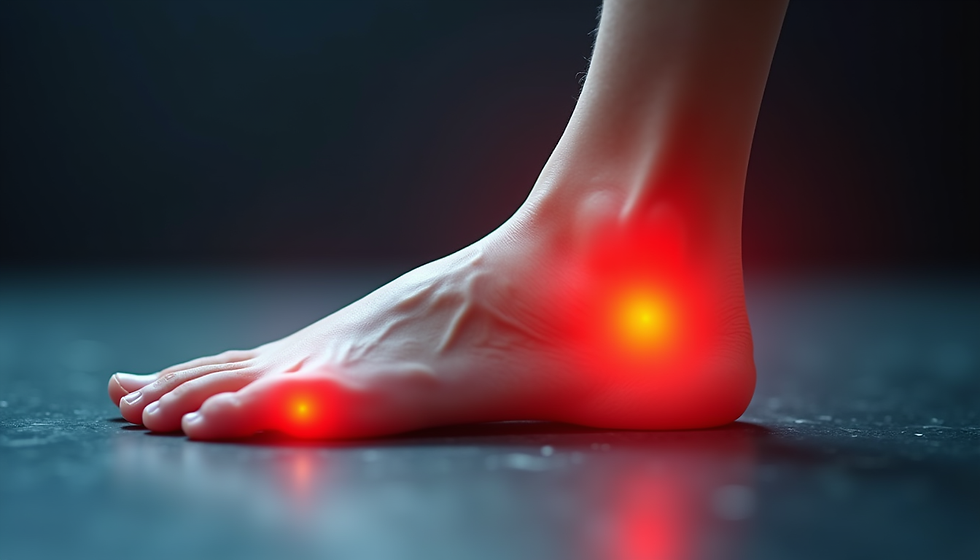
Persistent heel or forefoot pain that does not improve with rest
Visible changes in foot shape, such as a bump near the big toe or curled toes
Thickened or hardened skin areas like corns and calluses that cause discomfort
Numbness, tingling, or burning sensations indicating possible neuropathy
Difficulty balancing or frequent tripping, which may signal foot weakness or nerve issues
Swelling or redness that lasts more than a day or two
If you notice any of these signs, it is wise to consult a foot pain specialist near me or a podiatrist for adults. Early intervention can prevent worsening symptoms and maintain mobility.

What Is Normal and When to See a Specialist
Some foot changes are expected with age, but not all require medical attention. Here’s how to decide:
Normal changes: Mild arch flattening, occasional stiffness, and minor skin dryness can often be managed with good foot care.
Seek help if:
- Pain limits daily activities or walking
- You notice deformities like bunions or hammertoes worsening
- Skin breaks down or infections develop
- Neuropathy symptoms appear, such as numbness or burning
- Balance problems increase fall risk
A podiatrist for adults can diagnose underlying issues, recommend treatments, and suggest footwear or orthotics to relieve pain and improve function.
Daily Habits to Support Foot Health Over 40
Simple routines can keep your feet strong and comfortable:
Regular shoe checks: Wear shoes that fit well, provide arch support, and have cushioned soles. Avoid high heels and tight shoes that worsen foot problems.
At-home foot inspections: Look for cuts, blisters, swelling, or changes in skin color daily, especially if you have diabetes or circulation issues.
Foot hygiene: Wash feet daily, dry thoroughly, and moisturize to prevent dry, cracked skin.
Low-impact strengthening exercises: Activities like toe curls, ankle rotations, and calf stretches improve foot muscle strength and flexibility.
Weight management: Maintaining a healthy weight reduces pressure on your feet.
Avoid prolonged standing or walking on hard surfaces without breaks.
These habits help delay or reduce foot pain in older adults and support long-term mobility.

When to Search for a Foot Pain Specialist Near Me
If foot discomfort persists despite home care, or if you experience new symptoms like numbness or deformities, it’s time to find a foot pain specialist near me. A podiatrist can:
Provide a thorough assessment and diagnosis
Recommend custom orthotics or footwear
Offer treatments for conditions like bunions, corns, or neuropathy
Guide rehabilitation exercises to improve strength and balance
Help prevent falls and maintain independence
Early consultation improves outcomes and quality of life.


Comments